
Around the Clock resource
Essential Guide to Garage Door Cable Replacement
Garage door cables are crucial to the smooth operation of your garage door. Over time, these cables can wear out or break, which creates a real safety hazard and puts extra strain on the rest of the door's system.
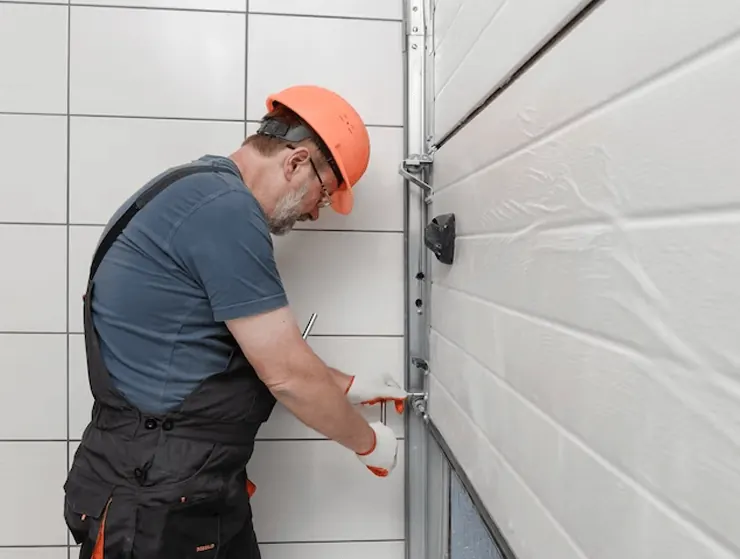 Springs, openers, tracks, cables, rollers, panels, and installation
Service system
Understand the problem before choosing the work
Garage door resource
Understanding Garage Door Cables and Their Importance
Garage door cables play a vital role in the door's lifting mechanism, working together with the springs to counterbalance the door's weight. Over time, cables wear from weather exposure, regular use, and a lack of maintenance. A broken cable can lead to uneven movement and put added strain on other components of the door system.
Garage door resource
Signs You Need Garage Door Cable Replacement
Watch for a door that opens unevenly or gets stuck partway through its cycle, unusual loud, squeaking, or grinding noises, visible fraying or rust on the cables themselves, and excessive slack or tension that doesn't look right.
- Door opens unevenly or gets stuck
- Unusual loud, squeaking, or grinding noises
- Visible fraying or rust on the cables
- Excessive slack or tension in the cables
Garage door resource
Safety Precautions Before Starting
Garage door cables operate under high tension, so caution is essential throughout this project. Disconnect the garage door opener before starting any work. Wear safety glasses and gloves, use a stable ladder, clear the work area, and keep children and pets away while you work.
Garage door resource
Tools and Materials Needed
A typical cable replacement calls for pliers, a wrench set, safety glasses and gloves, a stable ladder, replacement cables sized correctly for your door, a tape measure, and a screwdriver set.
Garage door resource
Identifying Your Garage Door Cable System: Torsion vs. Extension Springs
Torsion spring systems use cables wound on a bar mounted above the door and are more complex but generally more durable. Extension spring systems run along the door tracks, and are simpler in design and more common on smaller doors.
Garage door resource
Step-by-Step Guide to Garage Door Cable Replacement
Start by gathering your tools, disconnecting the opener's power, and making sure the door is fully closed. Note: releasing spring tension is one of the most hazardous parts of any garage door project and is not something to attempt without professional training and the correct winding tools — that step is intentionally not covered here, and should be left to a trained technician.
From there, remove the old cables by detaching them from the bottom bracket and the drum or pulley, marking their positions as you go. Take the opportunity to inspect the other components — pulleys and springs — for signs of wear while everything is accessible.
Garage door resource
Removing the Old Garage Door Cables
Detach the old cable at the bottom bracket, unwind it from the drum or pulley, and dispose of it properly.
Garage door resource
Installing the New Garage Door Cables
Measure the correct length for the replacement cable, attach it to the bottom bracket according to the manufacturer's specification, secure the other end at the drum or pulley, and verify the alignment and tension look correct before testing manually.
Garage door resource
Testing and Adjusting After Replacement
Reconnect power to the opener, test a full open-and-close cycle, and confirm the door moves smoothly and quietly. Manually test the door's balance by lifting it halfway — it should stay in place rather than falling or rising on its own.
Garage door resource
Maintenance Tips
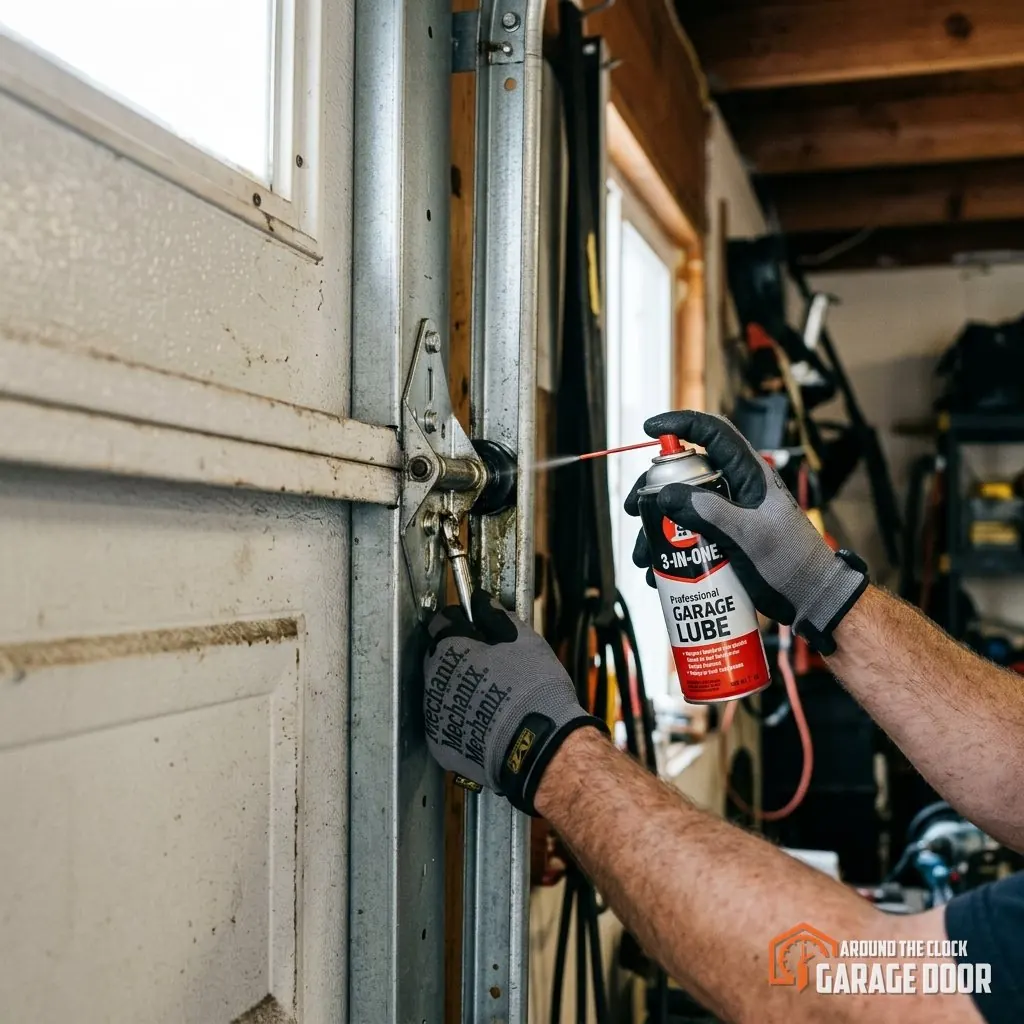
Inspect the cables monthly, keep moving parts lubricated, and watch for early signs of rust or corrosion that could weaken the cable over time.
Garage door resource
When to Call a Professional
If you're not comfortable with any part of this project, if your system uses torsion springs, or if you run into an unusual problem partway through, stop and call a professional rather than continuing on your own.
Garage door resource
Conclusion
Regularly replacing and maintaining garage door cables keeps the door operating smoothly and safely. When in doubt at any step, seek professional help rather than pushing through.
Common questions
Answers tied to the visible service guidance
How often should garage door cables be replaced?
Cables typically need replacement every 5 to 7 years, depending on how much the door is used.
What happens if I don't replace a broken cable?
A broken cable left unaddressed leads to an unbalanced door, which becomes a real safety hazard the longer it's left unrepaired.
Can I replace just one cable?
No. Both cables should always be replaced together so the door stays balanced and wears evenly on both sides.
Plan the next step