
Around the Clock resource
Essential Steps for Garage Door Installation
Installing a garage door involves more than hanging a new panel in the opening. It's a sequence of steps that has to be done in the right order, with the right tools, to end up with a door that runs smoothly, seals properly, and operates safely for years.
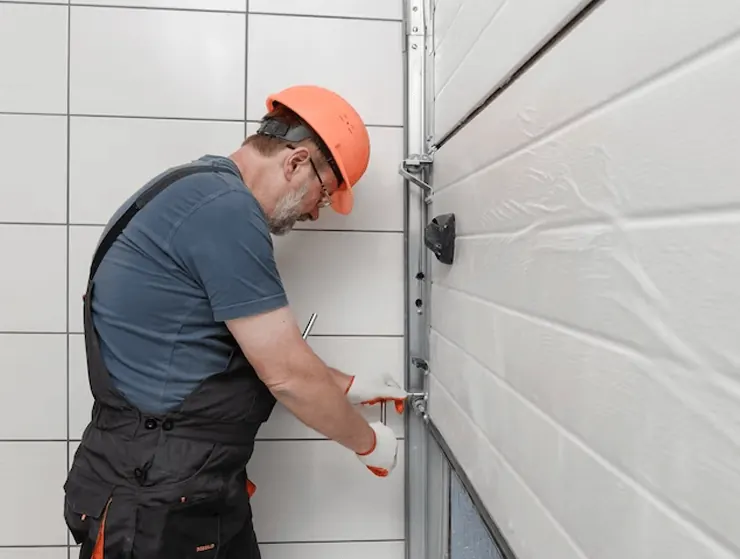 Springs, openers, tracks, cables, rollers, panels, and installation
Service system
Understand the problem before choosing the work
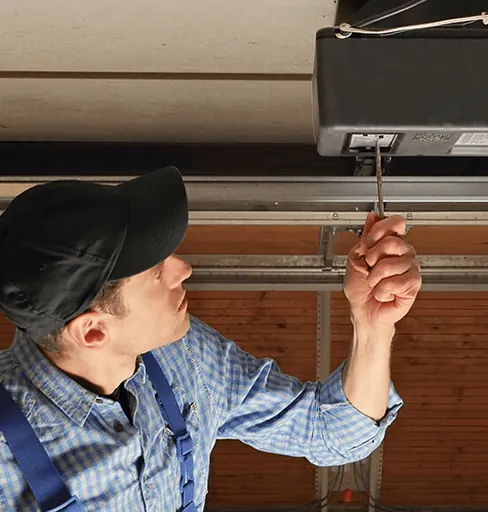
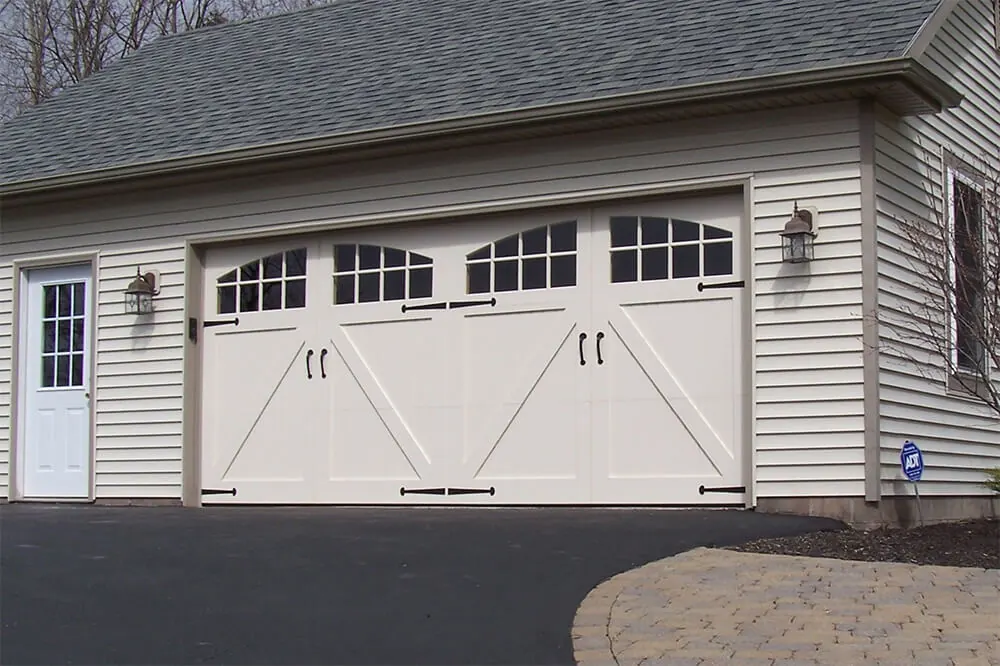
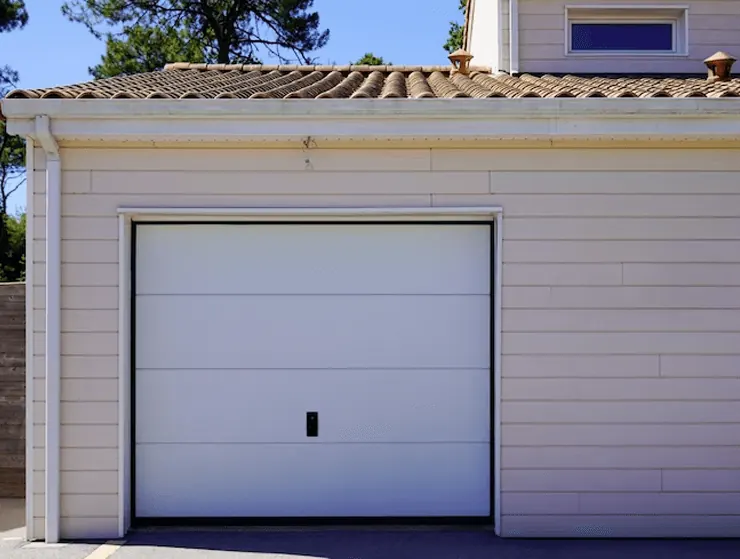
Garage door resource
Understanding Garage Door Types and Materials
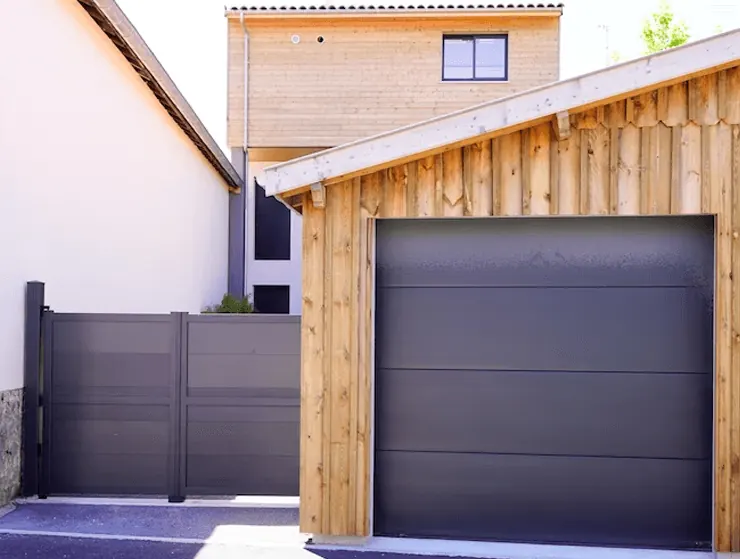
Sectional doors are the most common residential choice: smooth-operating, insulated, and built from panels that fold along the ceiling track. Roller doors are more compact and suited to spaces with limited headroom, often seen in commercial settings. Tilt-up doors pivot outward and upward as a single panel and are less common in new installations today.
Material choice affects both durability and upkeep. Steel is strong and weather-resistant. Wood offers a classic look but needs more maintenance over time. Aluminum is lightweight and resists rust, making it a good option in coastal or humid climates.
- Sectional: smooth, insulated, most common for residential
- Roller: compact, works with limited headroom, common commercially
- Tilt-up: pivots outward and upward, less common today
- Steel: strong, weather-resistant
- Wood: classic look, higher maintenance
- Aluminum: lightweight, rust-resistant
Garage door resource
Preparing for Installation
Before work begins, gather the tools and materials the job calls for and clear the garage area so there's room to work safely. Basic safety gear — gloves, goggles, and sturdy footwear — should be on hand throughout. A quick pre-installation checklist helps avoid mistakes: measure the door frame, check that everything is properly aligned, and verify that tools and hardware match what the new door requires. Always refer to the manufacturer's instructions for the specific door being installed.
- Gather tools, materials, and safety gear (gloves, goggles, sturdy footwear)
- Clear the garage area to create a safe workspace
- Measure the door frame and check alignment
- Verify tool and hardware compatibility with the new door
- Follow the manufacturer's specific instructions
Garage door resource
Removing the Old Garage Door
Before removing an old door, disconnect the opener and power first. From there, door panels are removed one at a time, working from the top down. Note: a garage door's springs are under significant tension and are one of the most dangerous parts of any garage door project to handle without training — releasing spring tension is a job best left to a professional with the correct tools, and it isn't a step covered here.
Garage door resource
Measuring and Preparing the Opening
With the old door out, measure the width and height of the opening and check the diagonal measurements to confirm it's square. Clean the frame of any debris left behind so the new track and panels can seat properly.
Garage door resource
Garage Door Track Installation
The side tracks are secured next, checked with a level to confirm proper alignment, and all fasteners are tightened. Getting the track alignment right at this stage is one of the biggest factors in how smoothly the finished door will run.
Garage door resource
Installing Garage Door Panels and Hardware
The bottom panel is placed, leveled, and secured with brackets first. Each subsequent panel is stacked on top, aligned carefully, and its hinges and brackets are fastened tightly before moving to the next panel.
Garage door resource
Installing Springs and Cables Safely
Garage doors use either torsion springs, mounted above the door, or extension springs that run along the tracks, and both types need to be tensioned correctly for the door to lift properly. Because of the forces involved, this part of an installation is handled by a professional installer, who will also attach safety cables to extension springs so a spring failure doesn't create a hazard. This is general awareness information only — it is not a set of steps for a homeowner to follow.
Garage door resource
Automatic Garage Door Installation and Openers
Choosing a compatible opener for the new door is the first decision. The unit is mounted securely and connected according to the manufacturer's instructions, with the power source verified before testing. Once installed, the opener is calibrated and tested through a full open-and-close cycle, and the sensors are adjusted so the auto-reverse safety feature responds correctly to an obstruction.
Garage door resource
Testing, Balancing, and Adjusting
Before calling the job finished, open and close the door several times to confirm smooth, quiet operation. Manually test the balance — a properly balanced door should stay in place when lifted partway by hand. Check the track alignment and bolt tightness one more time, and verify that the auto-reverse safety feature is working.
Garage door resource
Safety Tips and Common Mistakes
Wear protective gear throughout the job, keep the work area clear, and double-check measurements before cutting or fastening anything, since incorrect measurements and improper track alignment are the most common installation mistakes.
Garage door resource
DIY vs. Professional Installation
A DIY installation can be a rewarding project for someone with the right tools and knowledge, but mistakes can lead to costly repairs down the line. Professional installation brings expertise, safety and code compliance, and a quicker, more efficient install overall.
Garage door resource
Maintenance Tips
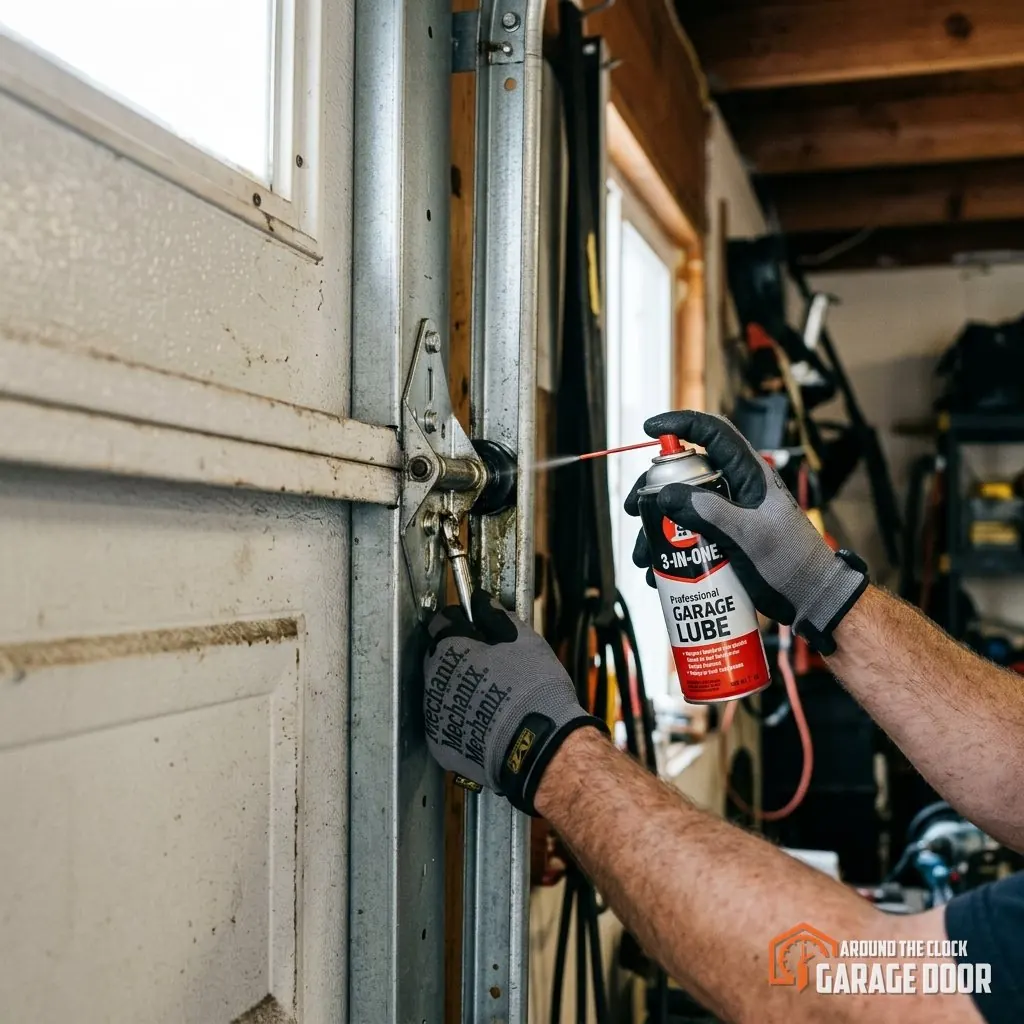
After installation, keep the door running well by lubricating moving parts monthly, inspecting and tightening hardware on a regular schedule, testing the balance periodically, and replacing worn parts before they cause a bigger problem.
Garage door resource
Conclusion
Whether you take on parts of this project yourself or hire it out entirely, weigh your skills, available time, and tools honestly, and factor in safety, budget, and expertise before deciding between DIY and professional installation.
Plan the next step