
Around the Clock resource
How to Troubleshoot Common Garage Door Problems | Around
Welcome to Around The Clock Garage Door. We install and repair garage doors, openers, tracks, cables, rollers, panels, springs, and full systems. Garage door trouble can be a real hassle, and we are here to help you find the cause and the right fix. Our trained team is ready to help, so your door runs smooth and safe. We also handle new garage door installation, garage door replacement, and garage door maintenance. In this guide, we cover common garage door problems and simple ways to sort them out. If you need help, call (650) 489-6631 or send a service request to book an appointment.
 Springs, openers, tracks, cables, rollers, panels, and installation
Service system
Understand the problem before choosing the work
Garage door resource
Understanding the Basics of Garage Door Mechanics
Garage doors are complex systems, but the main parts are easy to name: the door, the opener, the springs, and the cables. When one part slips, the rest can fail. The door moves with torsion or extension springs, which help balance its weight. Springs hold high tension, so garage door spring repair should be left to a pro. Openers may be chain, belt, or screw driven. If the door will not open or close all the way, the garage door opener not working may be the cause. Good garage door maintenance tips can prevent many common issues.
See our blog for more on door types and mechanics, and our services page for a full list of work.
Garage door resource
Identifying Common Garage Door Problems
Common signs include a door that will not open or close fully, slow travel, odd noise, or a door that stops mid-way. These issues can come from bad garage door track alignment, worn springs, or opener trouble. If you have garage door not closing fully issues, look at the tracks and safety sensors. If you hear squeaking or grinding, check rollers, hinges, and springs. If the door moves slowly or stops, the opener, remote batteries, or wiring may be at fault. A small DIY check can help, but call a pro if you are not sure.
Garage door resource
Troubleshooting Garage Door Opener Issues
If the garage door opener is not working, start with power. Check the remote, wall switch, and motor unit. Make sure the unit is plugged in. If the door will not close, the safety sensors may be out of line. Garage door sensor alignment must be exact, so make only small changes and retest. If the door reverses suddenly or stops before the floor, do not keep cycling it. Ask for service if the opener keeps failing.
Garage door resource
Addressing Problems with Garage Door Springs
Garage door springs carry most of the door weight. Over time, they can wear out, break, or lose tension. Then the door may run poorly or stop. If the door is hard to lift, slams shut, or makes odd noise, the spring may be the issue. Garage door spring repair is risky, so let a trained tech handle it. Around The Clock Garage Door can inspect the system and suggest the right fix.
Garage door resource
Dealing with Garage Door Sensor Problems
Sensor trouble is common. These sensors help keep the door safe, but dust, bumps, or bad wiring can make them fail. The most common signs include garage door not closing fully, garage door reversing suddenly, or the remote not responding. First, look for dirt or an object in the beam. Then check for misalignment. If the sensors are still off, adjust them by hand or call a pro. Clean them often and watch for wear as part of your garage door safety inspection checklist.
Garage door resource
How to Fix Noisy Garage Doors
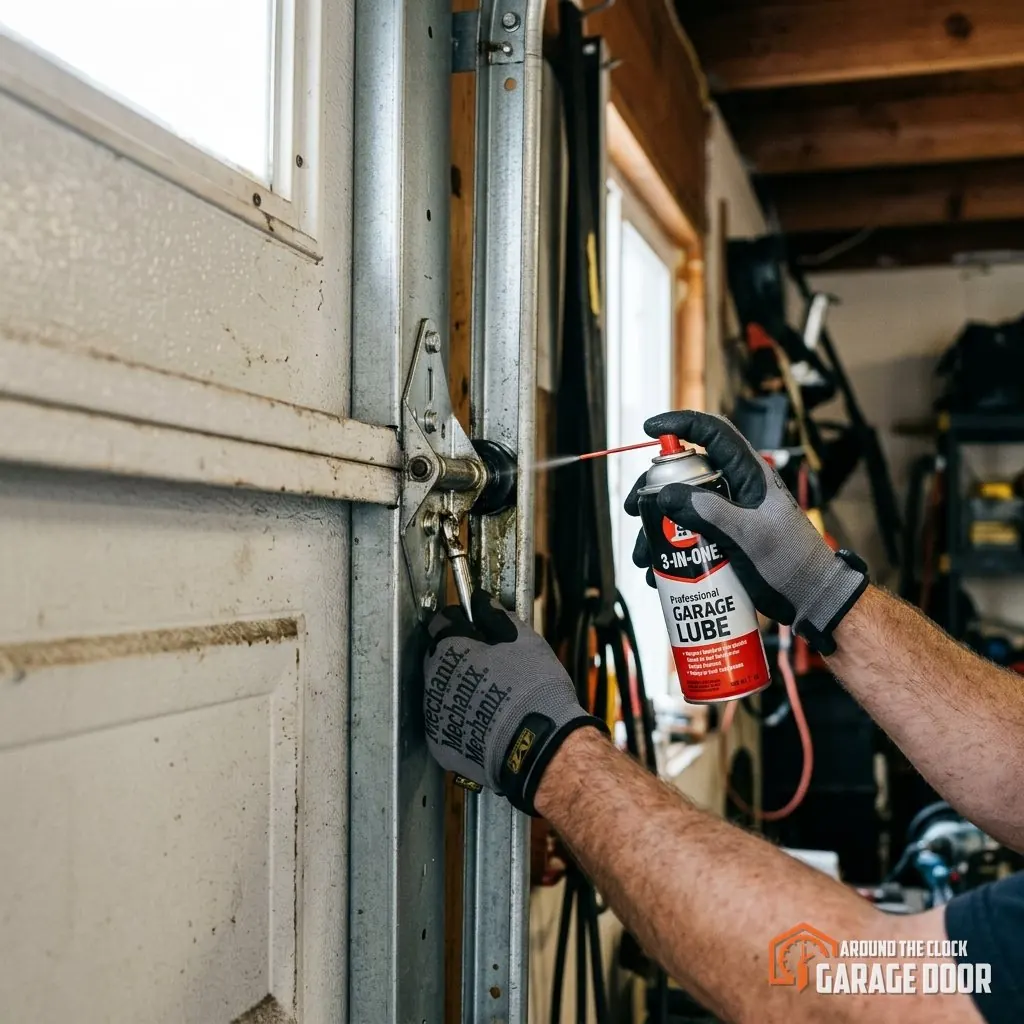
Noise is often a sign of loose hardware, worn rollers, or low lubrication. Tighten nuts and bolts that have worked loose over time. If the noise stays, worn rollers may be the cause. Nylon rollers can give a quieter ride and need less upkeep. For a noisy garage door fix, use the right lubricant on rollers, hinges, and moving parts. Do not coat tracks or sensors at random.
Garage door resource
Preventive Maintenance Tips for Garage Doors
Good garage door maintenance tips can save money and extend life. Check springs, cables, rollers, and hinges often. Replace damaged parts fast. Clean photo eyes. Test the balance often. Check the weather seal and the auto-reverse feature. A garage door safety inspection checklist can start with these steps. Regular checks can stop bigger problems later.
A well-kept door is a safe and efficient one.
Garage door resource
Describe the Condition Before Operating the Door
A good assessment starts with the door's position, the last normal cycle, the control used, and the first sound or movement that changed. Note whether the door is closed, partly open, crooked, detached, or resting on an object. Photos from a safe spot can show the full door, the opener label, the spring setup, both tracks, and any cable or roller changes. The installed system still needs direct inspection and measurement before fit or repair scope is confirmed.
Garage door resource
Keep the Safety Boundary Clear
If the door is crooked, hanging, very heavy, or partly detached, leave it in place. Keep people and vehicles out of its travel path. Springs, cables, drums, bottom brackets, and loaded tracks can hold a lot of force. Do not pull, loosen, cut, or improvise around them. If the door is open or partly open, do not use the opener as a support. Keep kids, pets, and stored items away until the support and lifting condition are known.
Garage door resource
Verify the Complete Operating System
A full check should cover balance, smooth manual travel, even panel movement, cable seating, roller and track inspection, opener settings, photo-eye response, reversal behavior, remote use, keypad use, and the final closed position. Bad garage door track alignment can stop smooth travel. The handoff should explain what changed, what was tested, and what to watch next. If one test could not be done, note that in the record. Clear proof is better than a simple claim that the door works.
Garage door resource
Match Parts to the Installed Door
Part fit matters during troubleshooting. Door weight, height, track radius, shaft and drum setup, spring size, opener type, panel build, headroom, and mount points can all change the right part or method. A part that looks similar may have a different load rating or shape. Use measurements and model data, not looks alone. When an original part is not available, name the part that fits, not a brand match that has not been confirmed.
Garage door resource
Compare Repair and Replacement Using Condition
The garage door repair vs replacement choice should use condition, fit, expected service life, and the effect on the rest of the system. One worn part on an otherwise sound door may call for a focused repair. Repeated failures, not available matching sections, wide corrosion, severe impact damage, or mismatched control hardware may call for a wider review. Ask why the choice was made and what a smaller repair would or would not solve.
Garage door resource
Make the Estimate Easy to Compare
A useful estimate names the work, main parts, labor scope, testing, haul-away, and any condition that could change the price after the system is opened or measured. It should separate the service charge from the repair cost. Before you approve the work, confirm whether the scope includes paired parts, fasteners, brackets, adjustments, programming, safety-reversal checks, travel-limit settings, balance testing, and cleanup. Clear scope makes estimates easier to compare.
Garage door resource
Prepare Access Without Disturbing the Failure
Good access helps the visit go faster. Clear items from the side walls, opener area, and safe work zone if you can do so without moving the door. Move vehicles only if it is safe. Keep remotes, keypads, and model papers ready. Share recent power cuts, hits, bad weather, manual use, or past repairs. That history can show whether the new problem started somewhere else.
Garage door resource
Protect the Corrected System with Observation
After the repair, follow the maker's guidance. Keep photo eyes clean, watch the path, listen for new changes, and keep tracks clear of debris. Do not hang items on door parts. Lubrication should use the right product and the right spots; tracks and safety sensors should not be coated at random. Watch for uneven travel, slow response, new vibration, frayed cable strands, loose hardware, gaps in the weather seal, repeat reversal, or a shift in balance. Early reporting can stop more damage.
Garage door resource
Plan the Next Step
Describe the door position, sound, and last normal cycle. Then call (650) 489-6631.
Common questions
Answers tied to the visible service guidance
What are the first steps I should take when my garage door stops working?
Start by checking safety and the door's condition without cycling it again and again. Note the door's position, the last normal operation, which control was used, and the first strange sound or movement. Keep the safety boundary clear. Do not stand beneath a crooked, heavy, or partly detached door, and do not rely on the opener as a support. Take photos from a safe distance, then arrange a pro if the issue is not simple and safe to handle.
How can I tell if the problem is with the opener or the door hardware (springs, tracks, cables, rollers)?
Observation helps split control issues from lifting and track problems. If the opener runs but the door does not move or moves unevenly, look for bad track alignment, out-of-seat cables, or roller differences. If the door will not close and the opener lights flash, check and align the safety sensors. If remotes or keypads do not respond, verify power to the motor unit and the remote batteries. Avoid further cycling if the door looks crooked, very heavy, or noisy. Those signs point to hardware trouble that needs pro service.
What garage door problems can I safely troubleshoot myself, and when should I call a professional?
DIY-friendly checks include confirming opener power, replacing remote batteries, gently cleaning and aligning photo eyes, tightening easy-to-reach nuts and bolts, and lubricating approved moving points, not the tracks or sensors. Call a professional for anything involving springs, cables, drums, bottom brackets, loaded tracks, severe misalignment, or repeat reversal and imbalance. Springs and cables are under high tension and can cause serious injury if handled the wrong way.
Why is part fit emphasized, and what information should I provide for an accurate estimate?
Garage doors vary by weight, size, track radius, shaft and drum setup, spring size, opener type, and mounting limits. Parts that look similar may have different load ratings. Give the door size, material, photos of the spring and track setup, and the opener label, and note any past repairs or hits. A clear estimate should list the specific work, main parts, labor, testing, programming, disposal, and the conditions that could change pricing.
What maintenance steps help prevent common issues and protect a recent repair?
Regular garage door maintenance tips are simple: check springs, cables, rollers, hinges, and the weather seal; keep tracks clear; clean photo eyes; and lubricate only the moving parts that need it. Check balance often, watch for smooth and even travel, and listen for new noises or vibration. Look for frayed cables, loose hardware, gaps in seals, and repeat reversal. Early reporting limits secondary damage and helps the system last longer.
Plan the next step