
Around the Clock resource
Garage Door Aesthetics: Matching Your Home
Welcome to Around The Clock Garage Door, your trusted team for garage door installs and repairs. In this guide, we look at garage door aesthetics, garage door styles, and garage door curb appeal, and show how the right door can fit your home, improve value, and add long-term use. We also cover springs, openers, tracks, cables, rollers, panels, and installation, because style and safety should work together. Whether you want a modern, traditional, or custom look, we can help. Call (650) 489-6631 to book a visit or request service.
 Springs, openers, tracks, cables, rollers, panels, and installation
Service system
Understand the problem before choosing the work
Garage door resource
Understanding the Importance of Garage Door Aesthetics
Garage doors are often a large part of the front of a house. That is why garage door aesthetics matter so much. The right door can lift curb appeal, support resale value, and make the whole exterior feel more unified.
A poor fit, bad color choice, or worn finish can do the opposite. Even a strong design can look wrong if the door is in poor shape. Good garage door maintenance tips help keep the look and the function in good form.
Garage door resource
Different Garage Door Styles for Your Home
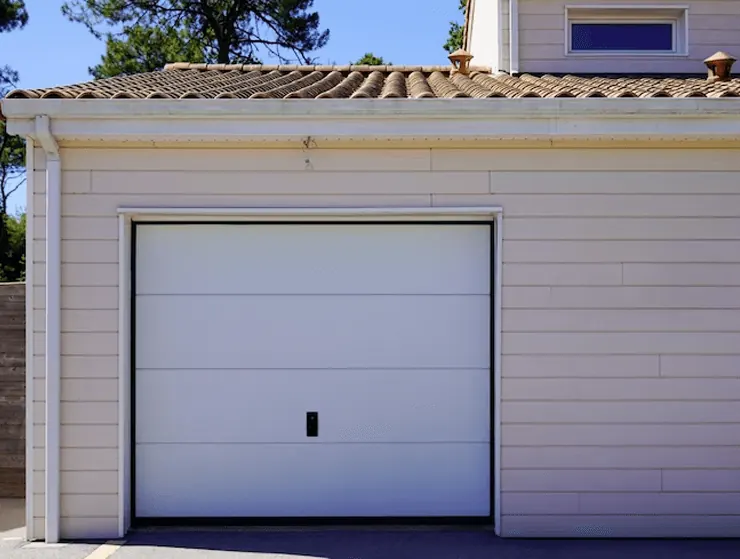
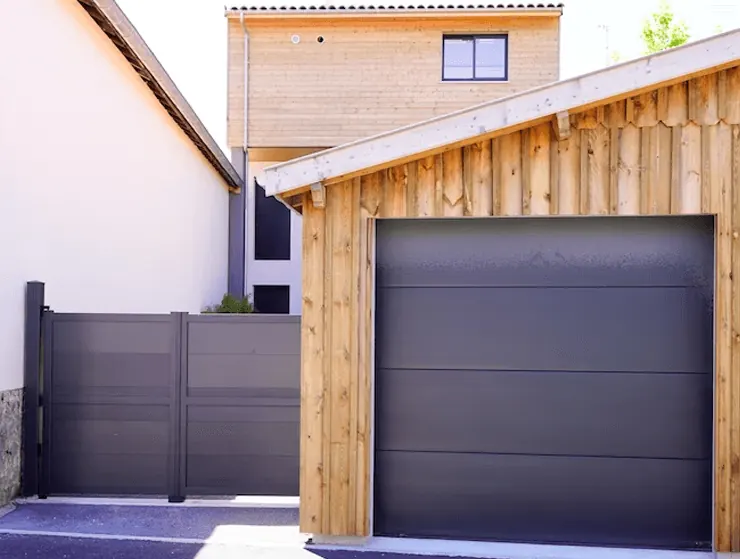
Modern homes often feature clean lines and simple design. A custom garage door with a plain, smooth look can fit that style well.
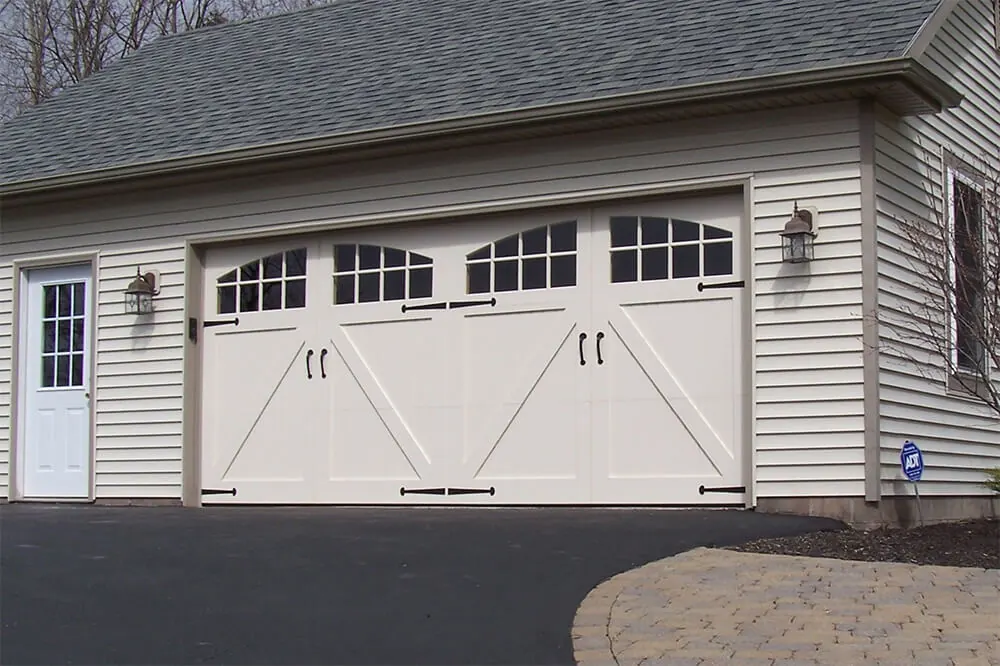
Traditional homes can benefit from raised panels, windows, and decorative hardware. Rustic, farmhouse, Craftsman, and Tudor homes may look best with carriage-style doors or wood-look finishes.
Garage door resource
The Role of Material and Color in Garage Door Aesthetics
Material matters as much as shape. Steel is durable and low care. Wood gives a classic look but needs more upkeep. Aluminum and glass suit modern spaces, while composite can give the look of wood with less work.
Color should match the rest of the exterior. You can blend the door with the siding or use a strong contrast for a bold effect. For more details on materials and their pros and cons, check our blog.
Garage door resource
How to Choose the Right Garage Door for Your Home Style
Start with the architecture of the home. Then think about scale, finish, insulation, windows, and hardware. A door should feel like part of the house, not an add-on.
Also think about use. An attached garage, a workshop, or a utility space may call for better insulation and stronger security. If you are not sure which option fits best, a garage door expert can help you compare choices.
Garage door resource
Adding Modern Trends in Garage Door Designs
Modern garage door design trends often use steel, aluminum, and glass. These materials bring a clean look and good durability.
Another trend is the use of technology in garage doors. Modern garage doors can include keypad access and app control, which improve ease and safety. Custom work is also popular, since it lets homeowners match the door to the home without giving up performance.
Energy use matters too. Insulated doors can help hold indoor temps steady and may lower costs. If you are looking at new options, the modern garage door design trends on our blog are a good place to start.
Garage door resource
The Impact of Garage Doors on Your Home's Curb Appeal
Garage door curb appeal can change how the whole property feels. Because the door covers so much of the front view, it often becomes a focal point.
A clean, well-fit, well-kept door can make a home look cared for. A damaged or outdated door can draw the eye in a bad way. That is why style, color, finish, and opener choice all matter.
Garage door resource
Garage Door Maintenance Tips for Lasting Appeal
Regular cleaning is the first step. Dirt, dust, and grime can make a good door look dull fast. Use a mild cleaner and a soft brush, then rinse and dry the surface well.
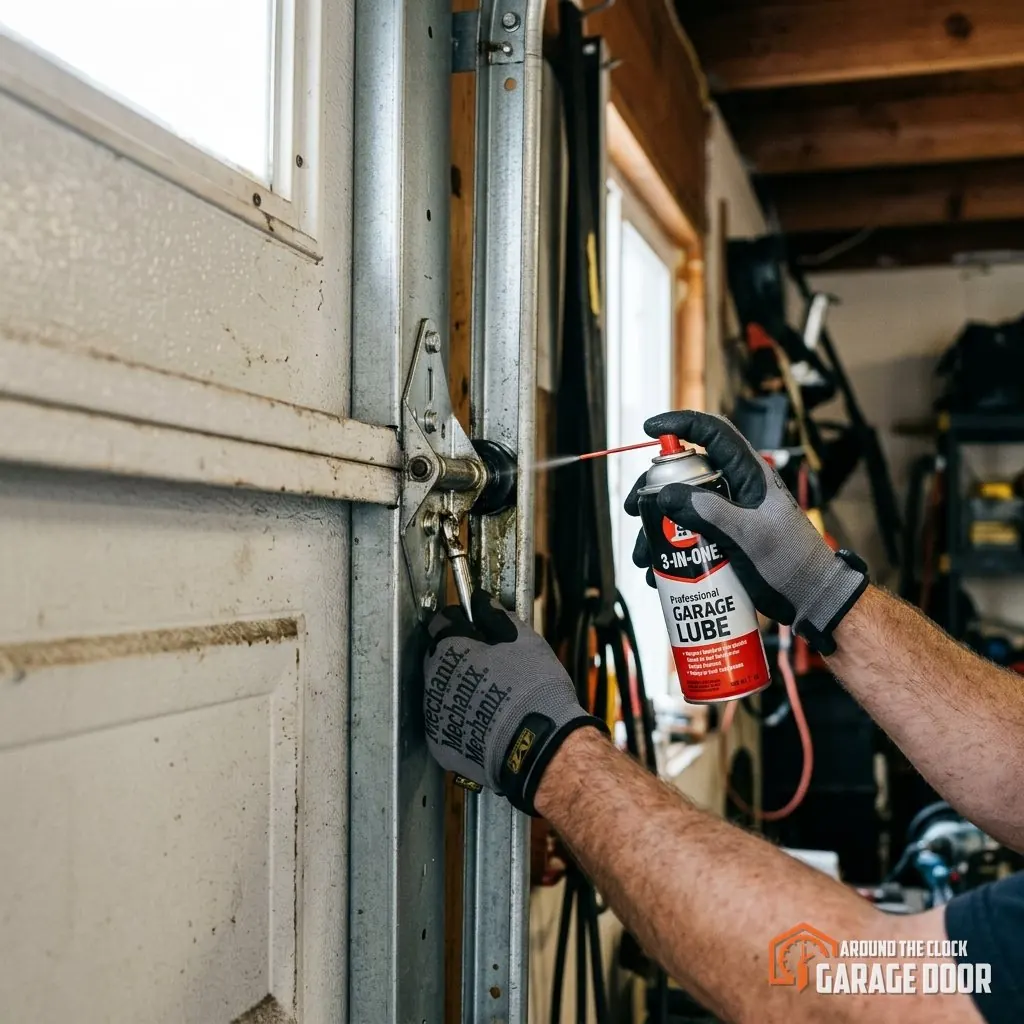
Paint can fade, and small dents can show up over time. Repainting, dent repair, and weather seal checks can restore the look. Lubrication should use the right products and points; tracks and safety sensors should not be coated at random. If you want a simple routine, our garage door maintenance tips can help.
Garage door resource
Describe the Condition Before Operating the Door
A good garage door safety inspection checklist starts with the door's position, the last normal cycle, the control that was used, and the first sound or movement that changed. Note whether the door is closed, partly open, crooked, detached, or resting on an object.
Photos taken from a safe place can show the inside face of the door, the opener label, the spring setup, the tracks, and any cable or roller difference. Do not stand under an unstable door or move parts to get a better photo.
Garage door resource
Keep the Safety Boundary Clear
The first safe step is to keep people and vehicles out of the travel path. A crooked, hanging, oddly heavy, or partly detached door should stay in place until it is checked.
Springs, cables, drums, brackets, and loaded tracks can store a lot of force. Pulling, loosening, cutting, or guessing can make a repairable issue worse. If the door is open or partly open, do not use the opener as a support.
Garage door resource
Verify the Complete Operating System
Seeing the door move once is not enough. A full check may include balance, manual travel, cable seating, roller and track condition, opener settings, photo-eye response, reversal behavior, remote use, keypad use, and final closed alignment.
The handoff should say what changed, what was tested, and what the owner should watch during normal use. Clear verification is better than a simple claim that the door works.
Garage door resource
Match Parts to the Installed Door
Fit matters. Door weight, height, track shape, drum setup, spring size, opener type, panel build, headroom, and mounting points can all change the right part or method.
When an original component is missing, the recommendation should identify the compatible specification rather than promise a brand match that has not been confirmed. Measurements and model data should guide the choice, not appearance alone.
Garage door resource
Compare Repair and Replacement Using Condition
The garage door repair vs replacement choice should use condition, fit, expected service life, and the effect on the rest of the system. A single worn part may only need a focused repair.
Repeated failures, missing matching sections, widespread corrosion, severe impact damage, or wrong control hardware may justify a broader option review. Ask what the repair would solve and what it would not.
Garage door resource
Make the Estimate Easy to Compare
A useful estimate should name the work, the main parts, labor, testing, haul-away if needed, and any condition that could change the price after opening the system. It should also separate the service charge from the repair price.
Before you approve work, ask whether the scope includes paired parts, fasteners, brackets, adjustments, programming, reversal checks, travel-limit settings, balance testing, and cleanup. Clear scope makes bids easier to compare.
Garage door resource
Prepare Access Without Disturbing the Failure
Clear stored items from the side walls, opener area, and safe work zone when possible. Move vehicles only if they can be moved without using or passing beneath an unsafe door.
Keep remotes, keypads, vehicle controls, and model documents ready. Also share recent power loss, impacts, harsh weather, manual use, or past repair attempts. That history can help find the real cause faster.
Garage door resource
Protect the Corrected System With Observation
After service, follow the installed hardware and maker guidance. Keep photo eyes clean, watch the door path, listen for new noise, and keep tracks clear of debris.
Watch for uneven travel, delay, vibration, frayed cable strands, loose hardware, gaps in the weather seal, repeat reversal, or changes in balance. Early reporting can limit more damage.
Garage door resource
Plan the Next Step
If you are not sure whether you need a repair or a new door, start with a direct inspection. The best choice depends on the door's condition, the system fit, and your goals for look, safety, and cost.
Call (650) 489-6631 for help, or schedule a service request with Around The Clock Garage Door.
Common questions
Answers tied to the visible service guidance
Why does the style of a garage door matter for home design?
The garage door can take up a large part of the front view, so it has a big effect on curb appeal. A door that fits the home's architecture, color scheme, and scale can make the outside look more unified. A poor fit or poor upkeep can lower visual appeal and perceived value.
What garage door styles work best with different home types?
Traditional homes often work well with raised-panel doors or doors with windows and decorative hardware. Modern homes usually fit best with sleek, simple designs using glass, aluminum, or steel. Rustic, farmhouse, Craftsman, or country homes may suit carriage-style doors or wood-look materials.
How should homeowners choose the right material and color?
The material should fit both the look you want and the upkeep you can handle. Steel is durable and neat, wood has classic character but needs more care, and composite can give a wood-like look with less upkeep. Color should either blend with the exterior or create a clear contrast that improves curb appeal.
What should be checked before repairing or replacing a garage door?
A proper check should look at the door's position, last normal cycle, unusual sound or movement, spring setup, tracks, cables, rollers, panels, opener type, door weight, and the whole system condition. Those details help show whether a focused repair is enough or whether replacement is the better call.
How can homeowners maintain the appearance and performance of their garage door over time?
Regular cleaning, repainting when needed, use of the right lubricant on moving parts, inspection of springs, cables, rollers, weather seals, and hardware, and quick reporting of new sound or movement all help protect both appearance and function. Owners should also avoid running an unsafe or damaged door again and again, since that can add risk and cause more damage.
Plan the next step