
Around the Clock resource
Garage Door Energy Efficiency Guide
Welcome to Around The Clock Garage Door, your trusted team for garage door installation and repair. In this post, we look at garage door energy efficiency and how the right door can cut heat loss, lower bills, and improve comfort. A well-insulated, well-sealed, and properly installed door helps keep the garage temp steady and reduces waste.
 Springs, openers, tracks, cables, rollers, panels, and installation
Service system
Understand the problem before choosing the work
Garage door resource
Understanding the basics of garage door energy efficiency
Energy efficiency matters in every part of the home, and the garage door is often overlooked. It is the largest moving part of the house and is often tied to living space. A well-insulated, well-sealed, and properly installed door helps keep the garage temp steady, cuts heating and cooling waste, and improves comfort.
R-value is the main insulation measure for a garage door. A higher garage door r-value usually means better heat control. Weatherstripping closes gaps, and an energy-efficient garage door opener can use less power than older models. Regular garage door maintenance keeps these parts working well.
Insulated steel garage doors have an R-value between 6 and 17.5. Wooden garage doors usually have an R-value between 5 and 8.
Garage door resource
How garage doors affect home energy use
A weak door can leak hot or cold air, which makes HVAC systems work harder. That raises bills and can make rooms less comfortable. Insulated garage doors help hold a steady temp through the seasons.
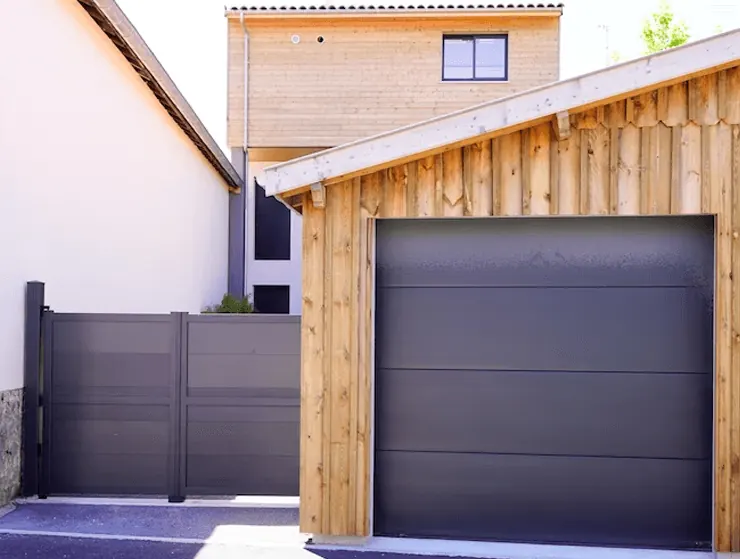
The door material, the install, and the seal all matter. Steel doors often give better insulation than wood doors, while wood may win on looks. Good garage door weatherstripping also helps block drafts and cut energy loss.
Garage door resource
Types of energy-efficient garage doors
- Insulated garage doors: These use a layer of insulation between steel or aluminum panels. They help stop heat loss in winter and heat gain in summer.
- Double-glazed garage doors: These use two panes of glass with gas in between. They cut heat flow and can improve security and curb appeal.
- Weather-sealed garage doors: These use weatherstripping at the edges to block drafts and keep the garage temp more stable.
- Insulated steel garage doors: Steel offers strength, and the insulation helps the door perform well in many climates.
Garage door resource
The role of insulation
If you are learning how to insulate a garage door, start with the fill material. The most common options include polystyrene and PU foam. Polystyrene is light and stiff, while PU foam gives stronger thermal control and adds strength.
The best choice depends on climate, the door's direction, and your energy goals. If the existing door is old or weak, a replacement may be the better fit. Regular care also matters, because worn insulation can lead to waste over time.
Garage door resource
How to improve your existing garage door
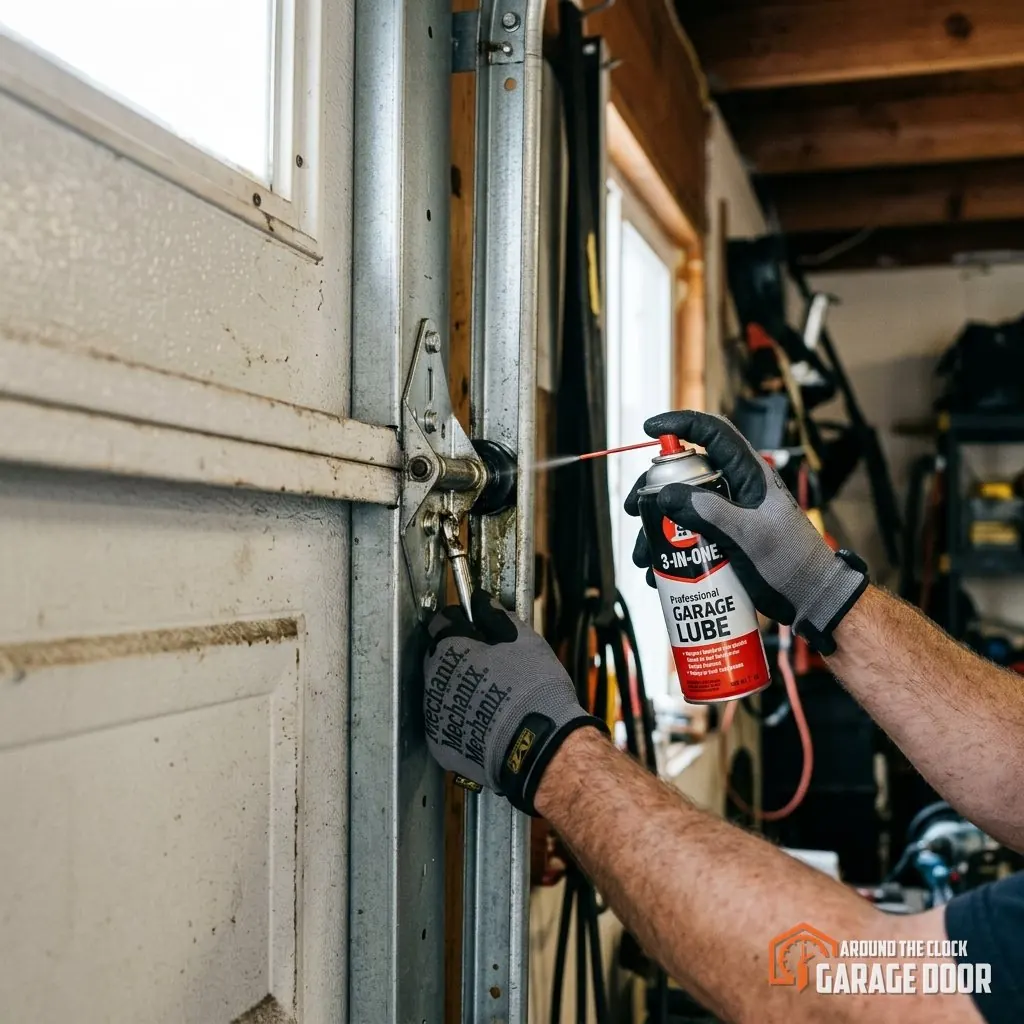
You do not always need a full replacement. You can improve an existing door by adding insulation, replacing worn seals, checking alignment, clearing debris, and lubricating the right moving parts.
Weatherstripping is one of the simplest upgrades, and it is often the fastest way to improve garage door energy efficiency. If the opener is old, a modern energy-efficient garage door opener can also lower power use. Steel doors are often more energy-friendly than wood, but every door should be judged by its full condition.
Garage door resource
The long-term benefits
Energy-efficient doors can bring real garage door energy savings over time. Better insulation and better sealing reduce air leakage, so heating and cooling systems do less work. That can mean lower utility bills and less strain on equipment.
These doors can also improve comfort, raise home value, and support green efforts. The upfront cost may seem high, but long-term savings can help pay it back. Good installation and maintenance are what make the savings last.
Garage door resource
Future trends in energy-efficient garage doors
The future is moving toward better insulation, smarter controls, and cleaner materials. More makers are using eco-friendly or recyclable parts, which lowers the impact of production.
Smart home tools are also changing garage door energy efficiency. Owners can check the door from afar, make sure it is shut, and avoid needless energy loss. Energy-smart glass and better windows may also help by adding light without much heat waste.
Garage door resource
Describe the condition before operating the door
A useful assessment starts with the door position, the last normal cycle, the control used, and the first sound or movement that changed. Note whether the door is closed, partly open, crooked, detached, or resting on an object.
Photos from a safe place can show the full inside face of the door, the opener label, the spring setup, both tracks, and any cable or roller gaps. Do not stand under an unstable door or move parts just to get a better shot. The system still needs direct check and measurement before the fit or repair scope is set.
Garage door resource
Keep the safety boundary clear
The safe first step depends on stability. A crooked, hanging, very heavy, or partly detached door should be left in place, with people and vehicles outside its travel path. Springs, cables, drums, bottom brackets, and loaded tracks can store a lot of force.
Avoid repeated opener cycles while you arrange an assessment. If the door is open or partly open, do not treat the opener as a support. Keep children, pets, stored gear, and foot traffic away from the opening until the support and lift condition are known.
Garage door resource
Verify the complete operating system
Seeing the door move once is not enough. A full check may include balance, smooth manual travel, even section movement, cable seating, roller and track checks, hardware review, opener travel settings, photo-eye response, reversal behavior, remote use, keypad response, and the final closed position.
The handoff should explain what changed, what was tested, and what the owner should watch in normal use. If a test cannot be finished because another problem remains, that limit should be in the service record.
Garage door resource
Match parts to the installed door
Fit matters during any repair or upgrade. Door weight, height, track radius, shaft and drum setup, spring size, opener type, panel build, headroom, and mount points can all change the correct part or method.
A part that looks similar may still be the wrong fit. If the original part is missing, the recommendation should name the correct spec instead of promising a brand match that has not been confirmed. Ask what was measured, what size or rating is needed, and how the part will be checked through the full range after install.
Garage door resource
Compare repair and replacement using condition
The repair-vs-replace choice should use condition, fit, expected service life, and the effect on the rest of the system. One worn part on a sound door may support a focused repair. Repeated failures, missing matching sections, widespread corrosion, severe impact damage, or wrong control hardware may point to a broader review.
Ask why the work is being suggested and what a smaller fix would or would not solve. Replacement can be useful, but the case should be tied to the actual opening, hardware, controls, insulation needs, and owner goals.
Garage door resource
Make the estimate easy to compare
A useful estimate names the work, major parts, labor scope, testing, haul-away when needed, and any conditions that could change the price after the system is opened or measured. It should separate a diagnostic or service fee from the repair total.
Before you approve the work, confirm whether the scope covers paired parts, fasteners, brackets, adjustments, programming, safety reversal checks, travel-limit settings, balance testing, and cleanup. Ask how changes will be approved if the inspection shows a different setup.
Garage door resource
Prepare access without disturbing the failure
Preparation should improve access without moving a questionable door. Clear stored items from the side walls, opener area, and safe work zone when possible. Move vehicles only if they can be moved without opening the door or passing beneath it.
Have remotes, keypads, vehicle controls, and model papers ready. Also explain recent power loss, impacts, strong weather, manual use, or earlier repair attempts. That history can show whether the problem is new or part of a wider issue.
Garage door resource
Protect the corrected system with observation
After the repair, follow the installed hardware and maker guidance. Keep photo eyes clean, watch the path, keep tracks free of debris, and do not hang or store items on door parts. Lubrication should use the right products and points; tracks and safety sensors should not be coated at random.
Watch for uneven travel, slow response, new vibration, frayed cable strands, loose hardware, gaps in the weather seal, repeat opener reversal, or changes in balance. Early reporting can limit added damage and energy waste.
Garage door resource
Plan the next step
Describe the door position, the sound, and the last normal cycle. That gives the tech a clear start and helps sort a control issue from a lift, track, cable, roller, or panel problem.
Call (650) 489-6631 or schedule a service request if you want help with garage door energy efficiency, insulation, seals, or repair.
Common questions
Answers tied to the visible service guidance
Why does a garage door affect home energy efficiency so much?
A garage door is often the largest moving part of the home and may be tied directly to living areas. If it is poorly insulated, poorly sealed, or installed wrong, outdoor heat or cold can enter the garage and make the home's heating and cooling systems work harder. A well-insulated, weather-sealed, and well-kept door helps keep the garage temp more stable, which can cut energy use and improve comfort.
What should homeowners look for when choosing an energy-efficient garage door?
The main points are insulation value, door material, sealing, install quality, and fit with the existing system. R-value is the key insulation measure; higher values usually mean better thermal control. Insulated steel garage doors often have strong results, while wooden doors may have lower R-values. Weatherstripping, correct install, and a matched opener and hardware setup also matter.
Can an existing garage door be improved without replacing it?
Yes. Many owners can improve an existing door by adding insulation, replacing worn weatherstripping, checking alignment, lubricating the right moving parts, clearing debris, and upgrading to a more energy-efficient garage door opener. If the door is old, damaged, badly fit, or too weak on insulation, replacement may give better long-term results.
Why is regular maintenance important for energy efficiency and safety?
Regular maintenance helps find gaps, worn seals, damaged insulation, misalignment, cable issues, roller problems, and opener waste before they become bigger energy losses or safety risks. The whole system should be checked, including balance, smooth travel, cable seating, track condition, photo-eye response, reversal behavior, and closed-position alignment.
What should a homeowner do before a technician checks a damaged or unstable garage door?
The homeowner should describe the door position, the last normal cycle, the control used, and the first odd sound or movement. Keep people, pets, vehicles, and stored items out of the travel path and avoid cycling the opener again and again. If the door is crooked, hanging, partly detached, very heavy, or open, do not treat it as stable and do not use the opener as a support.
Plan the next step